Home › Destinations › Spain
Travel Spain · Updated July 2026
Spain: The Complete Travel Guide (2026)
When to go, what to eat, the culture worth understanding, where to explore beyond the postcard spots, and how to get around Spain — a complete first-trip guide, updated for 2026.
Spain rewards a first-time visitor and a fifth-time visitor differently — this guide covers both. Below: when to go, what to eat, the culture worth understanding before you land, where to go beyond the obvious stops, and the practical stuff (money, transit, safety) that makes the trip smooth.
1. When to Go & Regional Climate
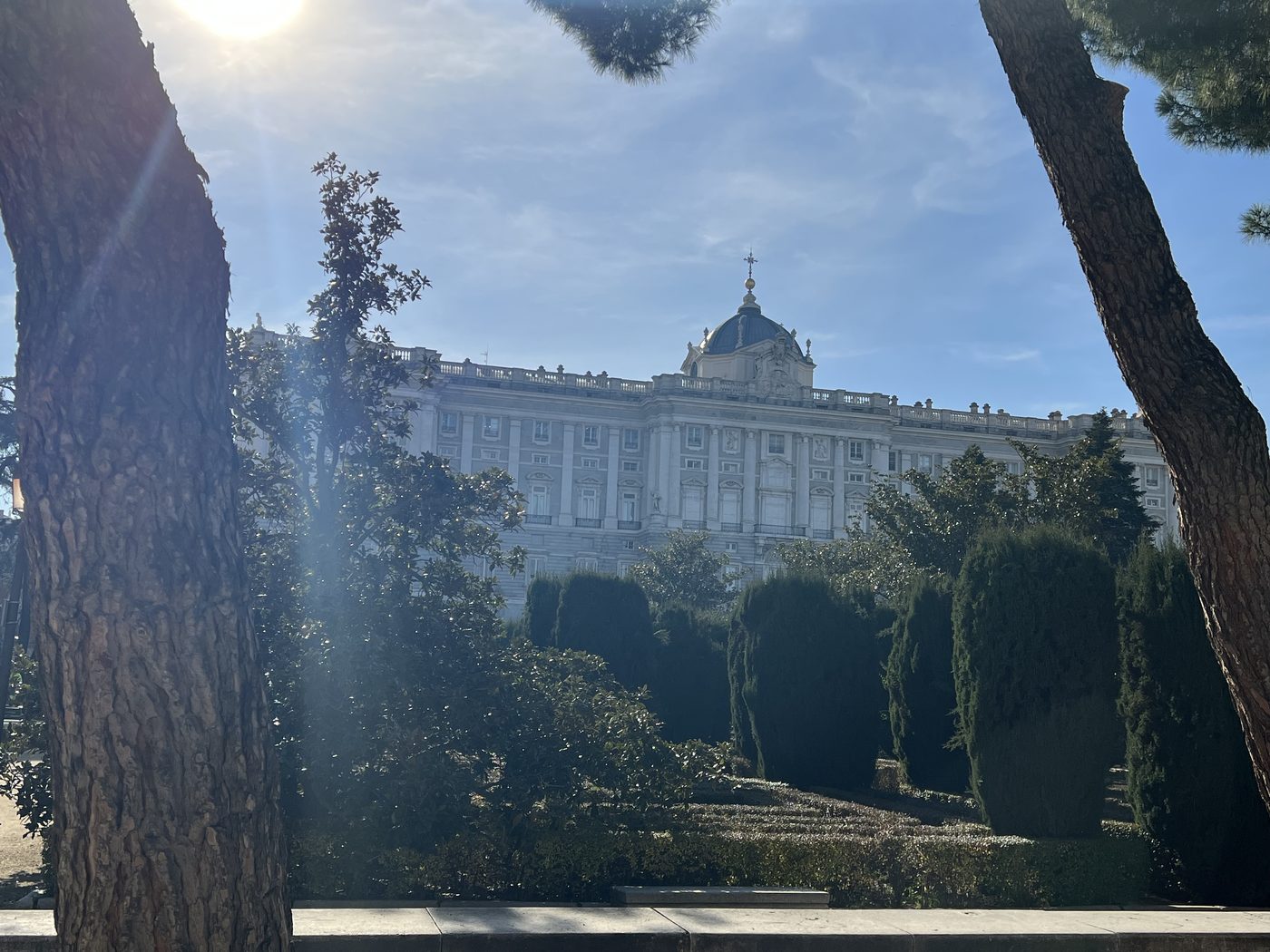
Spain's tourist rhythm splits cleanly into three seasons, and choosing the right one changes everything. High season runs June through mid-September, when the coast and islands are most crowded and prices peak. July and August in particular are packed with sun-seeking families, party-goers, and cruise passengers. The Mediterranean coast bakes under relentless sun, and popular beaches reach maximum density that can make even the most beautiful cove feel like a sardine can. Accommodation requires booking months ahead in coastal hotspots, and even inland cities like Seville and Córdoba become stifling in the afternoon, making sightseeing an exercise in early-morning discipline before the heat peaks or late-evening endurance after temperatures drop. Major festivals like San Fermín in Pamplona (July 6–14) and La Tomatina in Buñol (last Wednesday of August) both fall in high season and draw crowds that should be planned around specifically, with accommodation in both cities becoming nearly impossible to find and dramatically more expensive during festival weeks.
Value season — May, June, and September — delivers warm weather, saner airfares, and good hotel deals, making it the sweet spot for most visitors who want culture and comfort without the crush. The sea is swimmable from late May through October in most coastal areas, and shoulder-season travel means hotel pools and restaurants are emptier, service is more relaxed, and prices drop significantly from their July–August highs. Low season (winter) brings the least appealing weather in many regions but the best airfares and room rates, plus the rare pleasure of nearly empty plazas and museum galleries where you can have the Prado almost to yourself with no crowd noise. Southern cities like Málaga and Alicante remain mild enough for winter sun escapes, with daytime temperatures in the high teens Celsius and most attractions open year-round.
Climate varies sharply by region, which is why a single national forecast is nearly useless for trip planning. Sunshine is nearly guaranteed everywhere except the north, where weather is changeable and green throughout the year. Galicia can be misty and rainy even in summer, with the Rías Baixas experiencing Atlantic fog that rolls in unexpectedly, while Andalusia's interior sizzles to 40°C in July and stays hot well after midnight. The Atlantic coast, including the Basque Country and Cantabria, offers the most reliable summer weather in the north, with San Sebastián often enjoying its best days in September and October. The Balearic Islands draw the summer Playground crowd, though even clubby Ibiza keeps quiet coves on the western side of the island away from the resort strips. Inland cities like Madrid and Toledo are comfortably visited in spring and autumn, with pleasant temperatures for long museum days and outdoor dining that can stretch past 10 pm in the Spanish manner. The Pyrenees and northern Catalonia suit summer hiking when the snow has melted but before the August heat becomes oppressive. Plan around the season your specific destination expects, not a national average.
2. Tapas, Wine & Regional Cooking
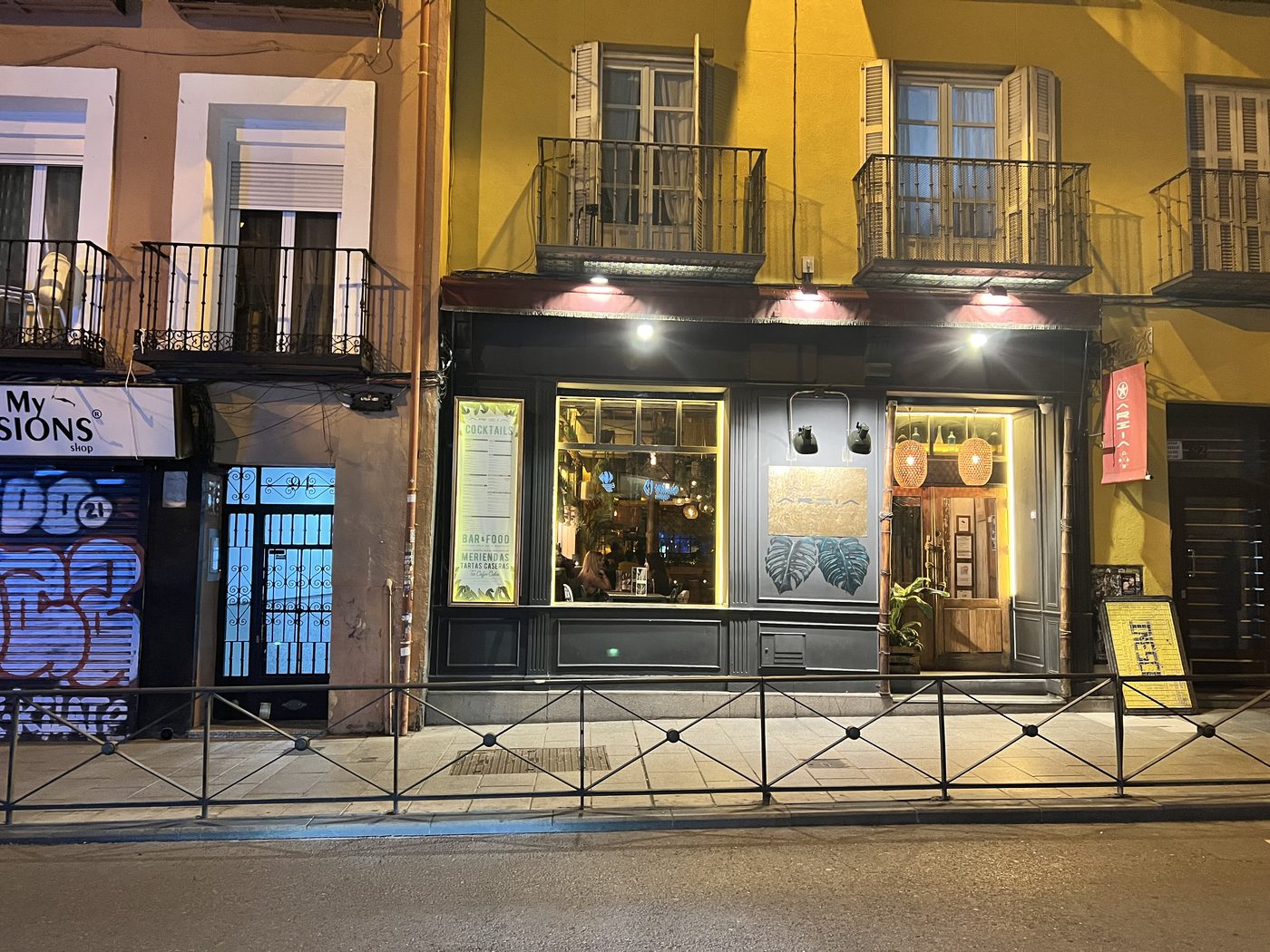
Spanish food is built around tapas — small shared plates that turn eating into a social ritual rather than mere fuel consumption. The tradition varies by region, which is part of the fun for visitors willing to explore beyond the familiar. In the Basque Country and Navarra, pintxos (skewered bites pinned to bread) dominate bar counters; the word comes from the Spanish pinchar, to prick or spike, and every pintxo is a small architectural construction of flavor. San Sebastián is a global pintxo capital, where a single bite of anchovy, foie gras, or tortilla can launch a whole evening of bar-hopping through the Parte Vieja (Old Town), where the best bars have no menus and the bartender simply points at what came out of the kitchen fresh. In Andalusia, you might find free tapas included with a drink order — a practice called tapeo that defines Seville's social life, where a €2 beer can come with a plate of jamón or tortilla. In Catalonia, the practice is slightly more formalized into fer una vermut rituals, where vermouth on ice with an olive is the starting point before a proper meal.
Spain is also one of the world's great wine nations, with over 70 Denominación de Origen regions producing distinct wines. Rioja and Ribera del Duero in the north produce age-worthy reds from Tempranillo grapes aged in oak barrels that can cellar for decades, while Catalonia's Cava is the sparkling counterpart to Champagne produced by the same traditional method in the Penedès region near Barcelona. Rías Baixas in Galicia makes bright Albariño whites perfect for the seafood that dominates the northern coast, and Priorat produces powerful, mineral-driven reds from old vines planted on near-vertical slopes of slate soil. Coastal regions lean on just-caught seafood — Galician octopus (pulpo a la gallega), Basque hake (merluza), Mediterranean sardines grilled simply with salt — while inland Castile and Extremadura favor roasted meats and hearty stews like cocido madrileño. Barcelona's beachfront chiringuitos and Madrid's centuries-old taverns both reward slow grazing. The guiding rule: order a few plates, share with companions, and order more — never rush a Spanish meal.
3. Flamenco, Festivals & Faith
Spain conjures flamenco dancers, café-lined plazas, and soaring cathedrals — and the reality delivers on all of them. Flamenco, born in Andalusia, is part music, part dance, part raw passion, best seen in intimate tablaos in Seville's Triana neighborhood, Jerez, or Granada rather than staged shows for tourists where the performance can feel packaged and rehearsed. A true flamenco tablao pulses with improvisation and emotion, the dancers' heels striking the wooden floor with a staccato rhythm that seems physically impossible for human feet to sustain. The country's calendar is dense with festivals that structure the travel year: Semana Santa (Holy Week) processions fill streets with hooded penitents and ornate floats carrying images of the Virgin Mary, and the silence is broken only by drums and incense; countless local fiestas honor patron saints with fireworks, dancing that can last until dawn, and whole towns dressed in traditional costume.
Religious architecture anchors towns across every region — from the Sagrada Família, Gaudí's masterpiece that has been under construction since 1882 and is now targeted for completion around 2026 (the centenary of Gaudí's death), to Toledo's Gothic cathedral rising above the Tagus River gorge, and the mosques-turned-churches of the south where Christian, Jewish, and Islamic layers sit side by side in the same building. Córdoba's Mezquita is the most striking example: a mosque so magnificent — with 856 columns of jasper, onyx, and marble holding up double red-and-white arches — that the Christians who reconquered the city in 1236 simply built a Renaissance cathedral inside it rather than demolishing the sacred space. Regional identity runs deep: Catalonia, the Basque Country, and Galicia each guard distinct languages and traditions, with strong independence movements in the first two that occasionally surface in protests and political discourse. Understanding Spain means reading it as many Spains, not one.
4. Cities, Coast & Mountains
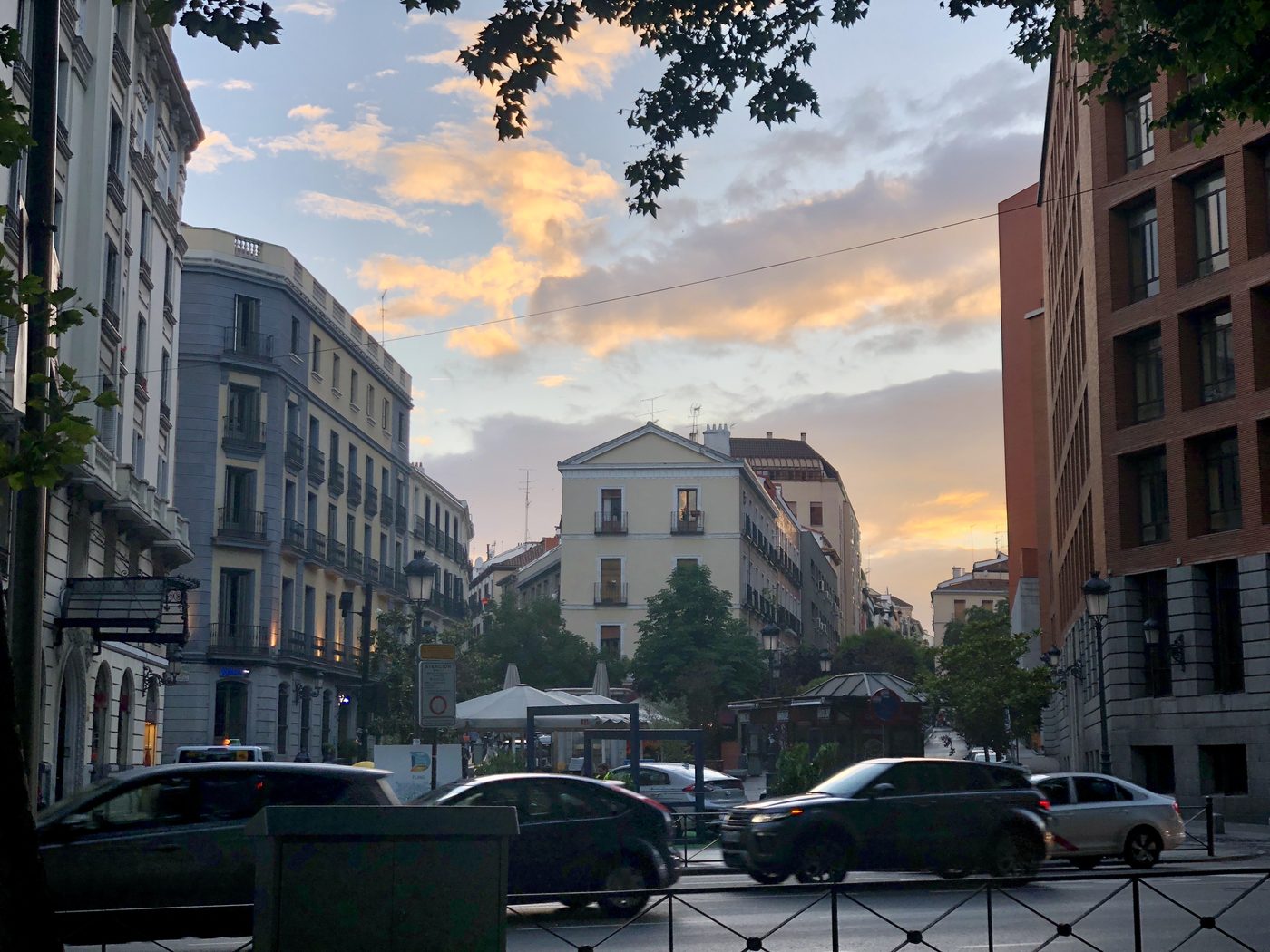
Spain's geography spans the Pyrenees to sunny coasts, offering enormous variety within a single country. Barcelona mixes Gaudí's whimsical Modernista architecture — the Sagrada Família, Park Güell's mosaic benches, Casa Batlló's skeletal façade — with Mediterranean beaches and a cosmopolitan dining scene that has earned it more Michelin stars than many countries twice its size. Madrid, the high-mesa capital at 650 meters altitude, centers on grand plazas and the Prado, which could consume a full day even for an art lover focusing only on Velázquez, Goya, and Bosch, and the nearby Reina Sofía for Picasso's Guernica. Toledo, a short high-speed train trip out, is a perfectly preserved medieval labyrinth where three faiths converged, and getting lost in its winding lanes past artisan workshops selling damascened steel and marzipan is the point — the entire city is a UNESCO World Heritage site.
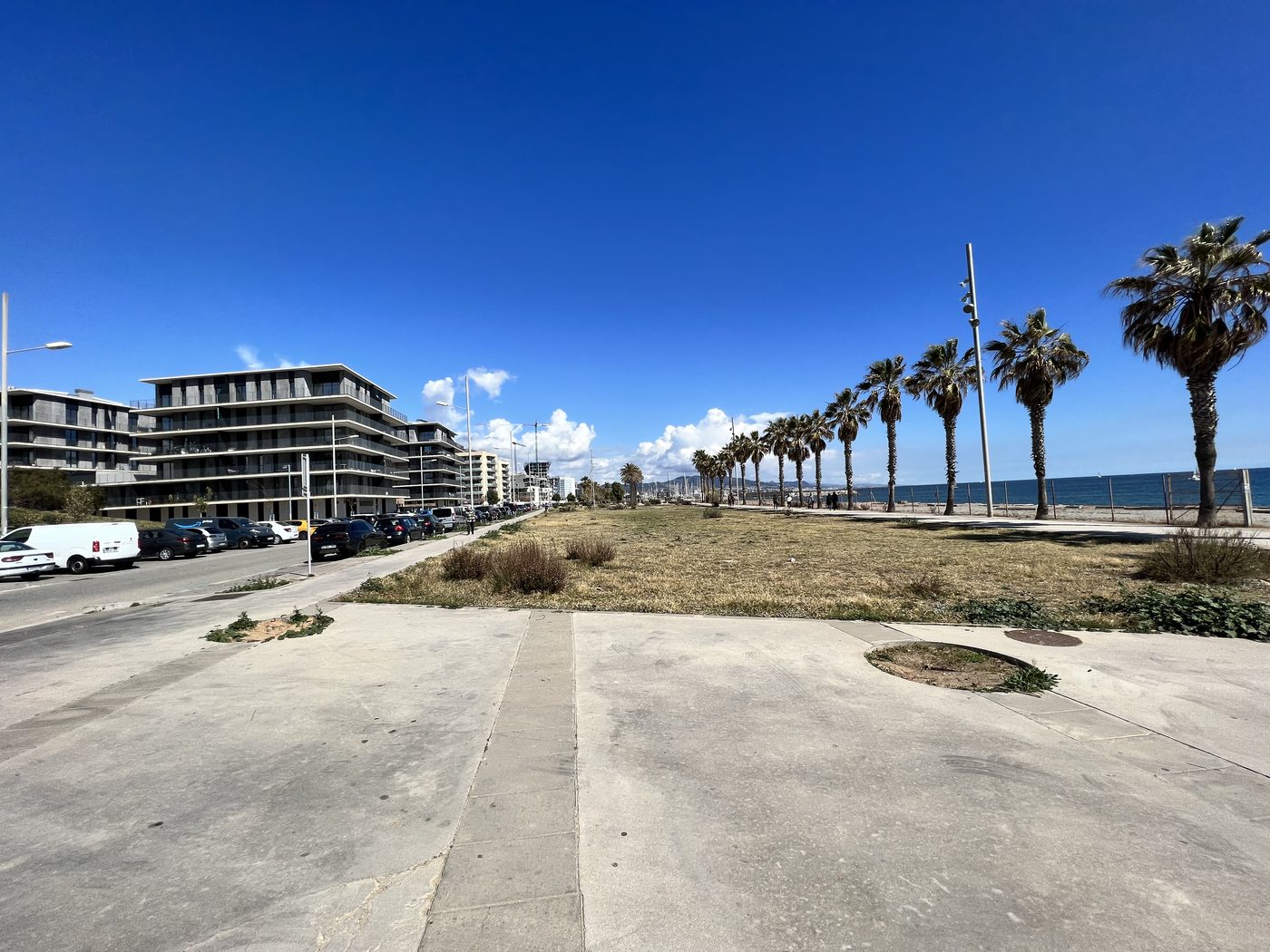
The north's Basque Country pairs Bilbao's titanium-sheathed Guggenheim with San Sebastián's belle-epoque shore and some of the best food in Europe, including multiple Michelin-starred restaurants within a one-hour drive. The Pyrenees offer hiking and ski terrain that rivals the French Alps, with less-developed routes and authentic mountain villages where Basque is spoken more commonly than Spanish. The Balearic Islands range from Ibiza's superclubs to the silent coves of Formentera; a rental car on Mallorca reveals hidden mountain villages like Deià and Valldemossa where Robert Graves once lived. The Costa Brava, Costa Blanca, and Valencia's orange-grove coast round out the shoreline with everything from package resorts to isolated calas. Inland, Castile–La Mancha's windmills recall Don Quixote, and La Rioja's vineyard valleys show a quieter Spain best explored by bicycle along the Camino de Santiago routes.
5. Getting Around & Staying Safe
High-speed AVE trains link Madrid, Barcelona, Valencia, and Seville in hours, reaching speeds of 310 km/h on dedicated tracks and making the country remarkably compact for travelers — a lunch in Madrid and dinner in Seville is genuinely possible on the same day. Regional Cercanías commuter networks serve metropolitan areas efficiently, and long-distance buses reach smaller towns and mountain villages where rail doesn't go. Spain's network of paradores — government-run hotels in historic buildings including castles, monasteries, and fortress convents — offers excellent value and character, with properties in Ávila inside the medieval walls, in the hills above Ronda, and in Santiago de Compostela among the most atmospheric. Spain is generally very safe, but pickpockets operate on crowded metros and in late-night bar districts, particularly in Barcelona's Gothic Quarter and Madrid's Puerta del Sol area. Always carry a copy of your ID; small shops in inland towns still observe siesta closures, though this custom is fading in major cities. Emergency: 112.
6. Budget, Who It's For & Common Mistakes
Budget: €50–80 | Mid-range: €120–180 | Luxury: €300+
Approximate USD: $55–90 / $130–200 / $330+
Best for: Food lovers, culture seekers, city-break travelers, beach holiday enthusiasts, architecture fans, budget travelers outside peak season, road-trippers, wine enthusiasts.
— J.K.
Prices, seasons, and entry requirements change — always confirm current details before booking. This guide is general travel information, not legal or financial advice.