Home › Destinations › Japan
Travel Japan · Updated July 2026
Japan: The Complete Travel Guide (2026)
When to go, what to eat, the culture worth understanding, where to explore beyond the postcard spots, and how to get around Japan — a complete first-trip guide, updated for 2026.
Japan rewards a first-time visitor and a fifth-time visitor differently — this guide covers both. Below: when to go, what to eat, the culture worth understanding before you land, where to go beyond the obvious stops, and the practical stuff (money, transit, safety) that makes the trip smooth.
1. Onsen, Alps & Islands
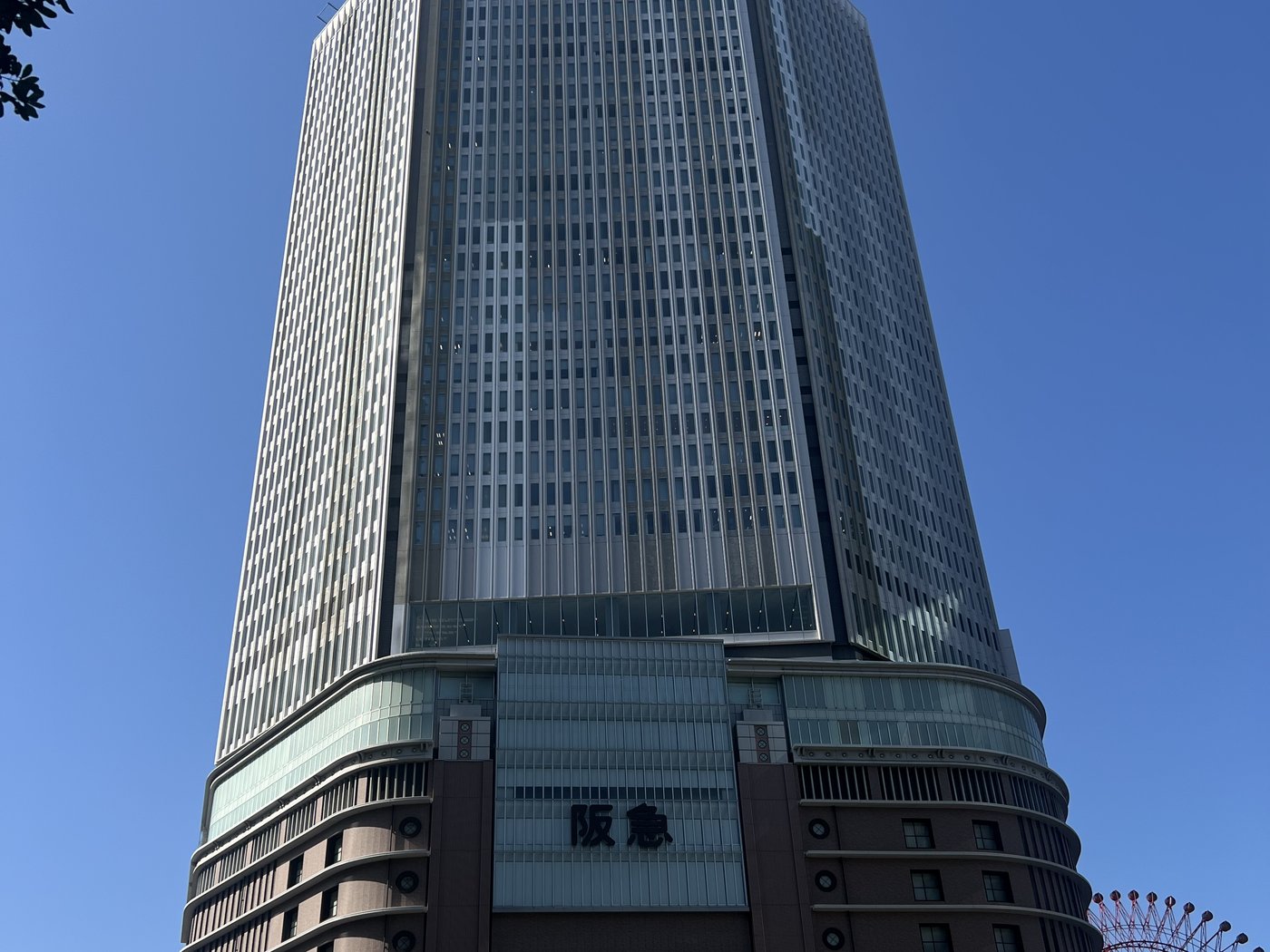
Japan is one of the world's great contrasts, where ancient shrines bump against glass skyscrapers sometimes within a five-minute walk, where you can meditate in a Buddhist temple at dawn and eat conveyor-belt sushi at midnight in the same neighborhood, and the contrast never stops feeling extraordinary. The ultimate relaxation is the onsen — a steamy bath of geothermally heated spring water found nationwide, often in rustic open-air settings (rotenburo) surrounded by cedar forests or overlooking the sea, sometimes with snow falling gently around you in winter. Onsen etiquette is strict: wash and rinse thoroughly before entering the shared water, wear nothing, and observe the quiet since talking is discouraged so others can relax. Tattoos were traditionally banned because they are associated with yakuza, but many onsen now allow them with special permission or bathing suits, and dedicated tattoo-friendly onsen maps are available online.
Niseko in Hokkaido averages 15+ meters of snow a season, making it Japan's most famous ski area, with wide powder bowls and tree runs that rival anything in North America. The Hokkaido snow is famously light and dry, a byproduct of cold Siberian air crossing the Sea of Japan and depositing moisture on the island's volcanic spine. In summer, Hokkaido's flower fields and dairy country provide a cool escape from the mainland's humidity and crowds. The Kumano Kodo are ancient pilgrimage routes across the Kii Peninsula, threaded with remote hot springs and rich tradition spanning over a thousand years. Walking them connects modern visitors with a spiritual tradition, and the routes are UNESCO-listed with options graded for every fitness level, from half-day walks to multi-day pilgrimages staying in temple lodgings.
2. Regional Food & Drink
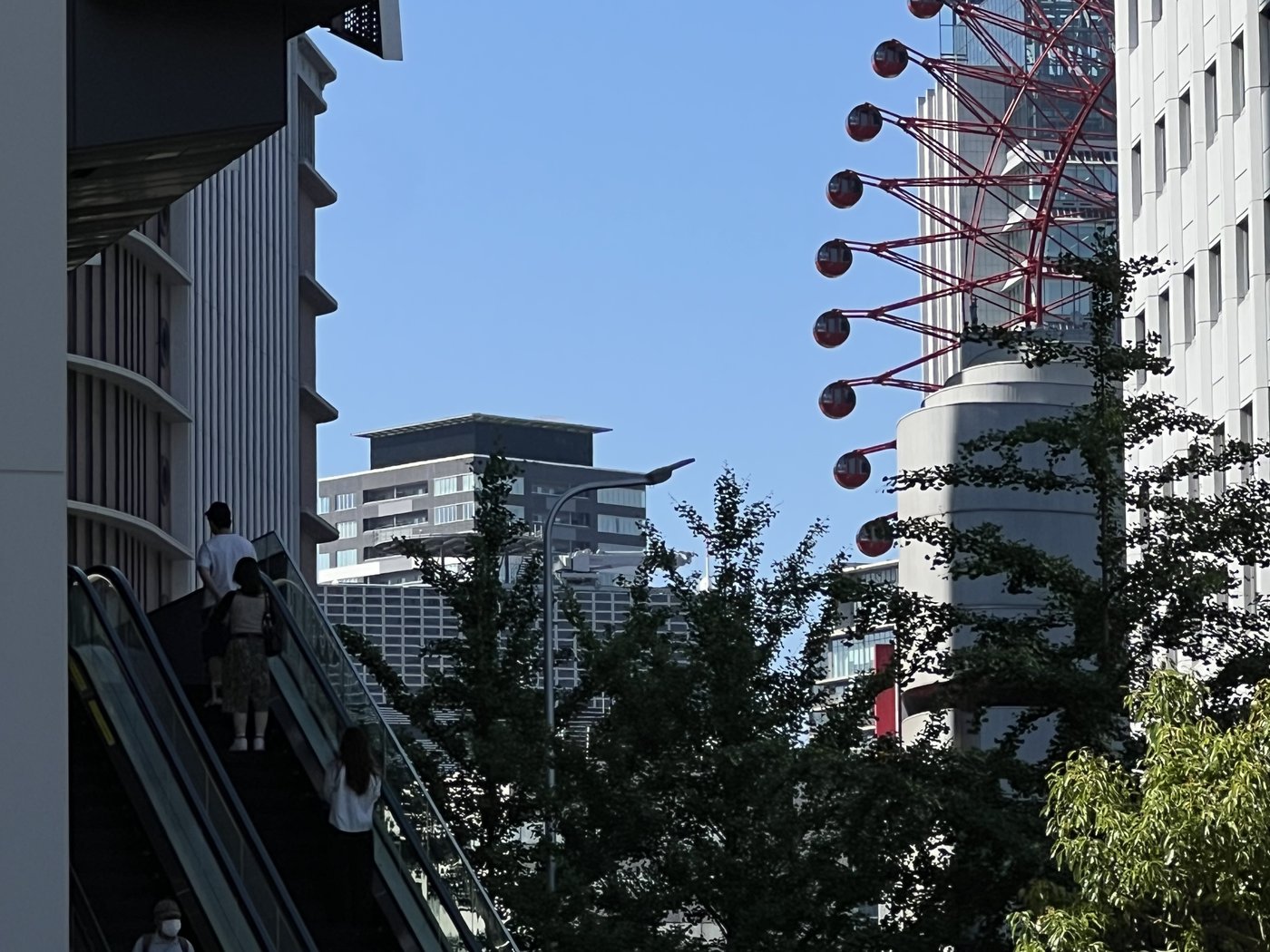
Japanese food is astoundingly diverse by region, far beyond the sushi and ramen that dominate international perceptions. The Kansai region — Osaka, Nara, Kobe, Himeji — is a culinary hub often ranked above Tokyo by Japanese food lovers for its generosity and bold flavors. Osaka's slogan is kuidaore — "eat until you drop" — and the city takes it seriously with takoyaki (octopus balls), okonomiyaki (Japanese pizza), and kushikatsu grilled skewers sold at every corner. Nara is known for sacred deer roaming freely in Nara Park and sake, Japan's rice wine, which ranges from crisp table sake to award-winning ginjo with fruity aromatics. Kobe beef is world-famous for its Tajima bloodline standards and rigorous grading system; the "massages and sake-infused feed" stories are marketing lore rather than standard husbandry practice.
Yakitori (skewered chicken grilled over charcoal) is a staple street bite found everywhere, from cramped standing bars under train tracks to upscale izakaya. From Hokkaido's seafood — king crab, salmon roe, sea urchin — to Kyushu's tonkotsu ramen and Fukuoka's yatai (open-air food stalls that appear at dusk and vanish by morning), every region claims a signature dish worth the trip. Kaiseki dining, a multi-course seasonal feast, is Japan's haute cuisine, emphasizing presentation and seasonal ingredients as much as flavor. Even convenience stores (konbini) serve excellent egg sandwiches, onigiri (rice balls), and hot oden stew that could sustain a curious traveler for days at under ¥1,000 total.
3. Culture Primer: Tea, Sumo & Pop
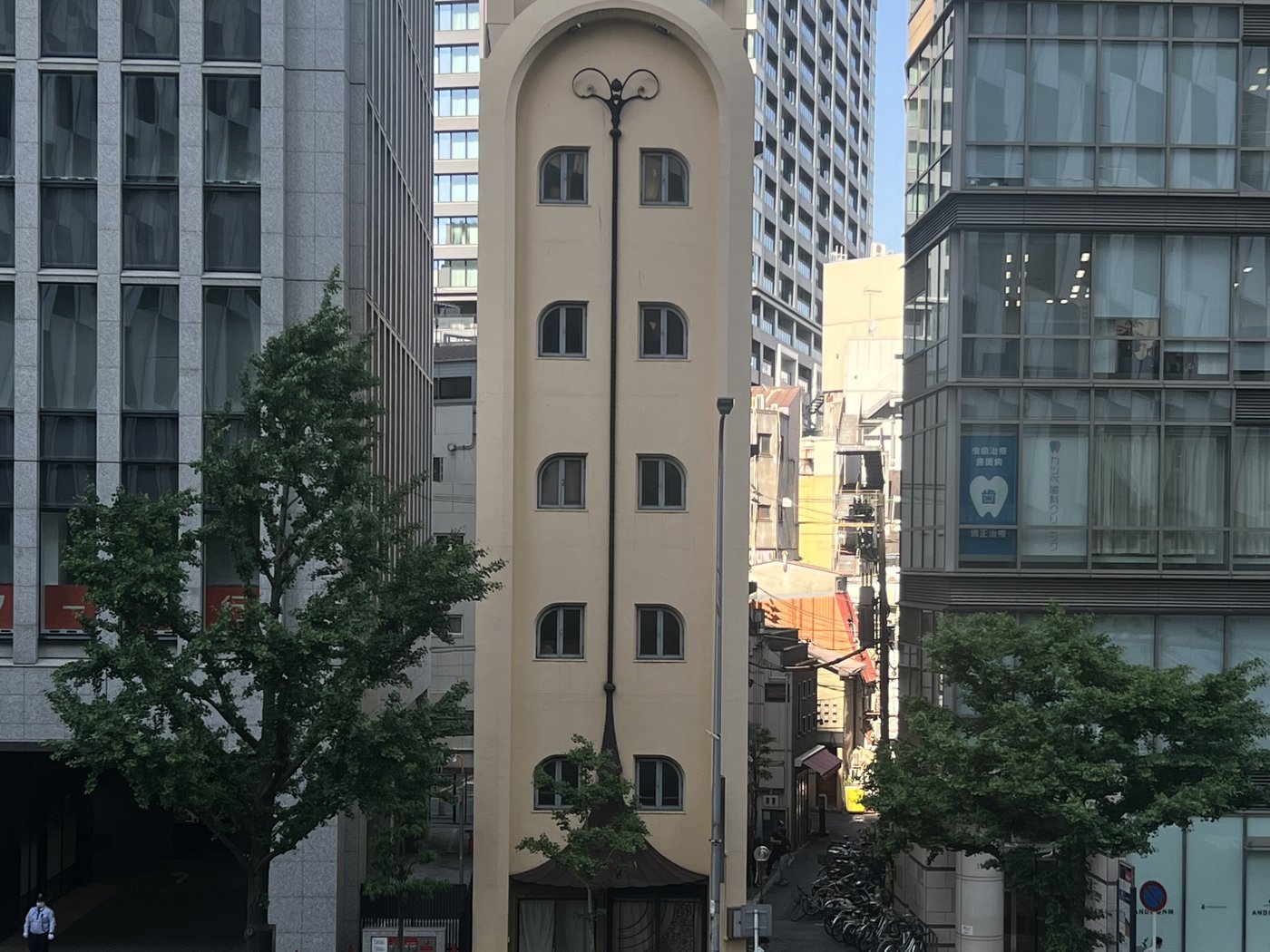
Japan's culture spans the refined and the modern with a seamlessness found nowhere else. The tea ceremony (chado) can last hours with choreographed precision — every gesture from the wiping of the tea bowl to the turning of the whisk carries meaning rooted in Zen Buddhism, and the spatial arrangement of the tea room is designed to create a world apart from daily concerns. Sumo remains the national sport, with six annual tournaments in Tokyo, Osaka, Nagoya, and Fukuoka; even casual visitors can experience the charged atmosphere where wrestlers weigh 150+ kg and bouts last three seconds of explosive force. The geisha tradition sustains performing arts in Kyoto's Gion district, and sighting a real maiko or geisha on an evening errand is still a thrill for observers who resist the temptation to chase or photograph.
Contrast that with Japanese pop culture — anime production studios in Tokyo's Suginami ward, idol culture centered on Akihabara, and baseball mania where the national high school tournament at Koshien in August grips the country more than most professional events. Harajuku takes youth fashion to avant-garde extremes on Takeshita Street. The ryokan (traditional inn) offers a hospitality code built on restraint, care, and anticipating needs before they are spoken: kaiseki dinner served in your room, futon bedding laid out by staff, and a sense of being cared for that hotels rarely replicate. Note that station "pushers" (oshiya) were once common during evening rush hours to cram commuters into trains, but they are largely historical today; modern crowds are managed by schedule changes and platform staff rather than physical pushing.
4. From Okinawa to Tohoku
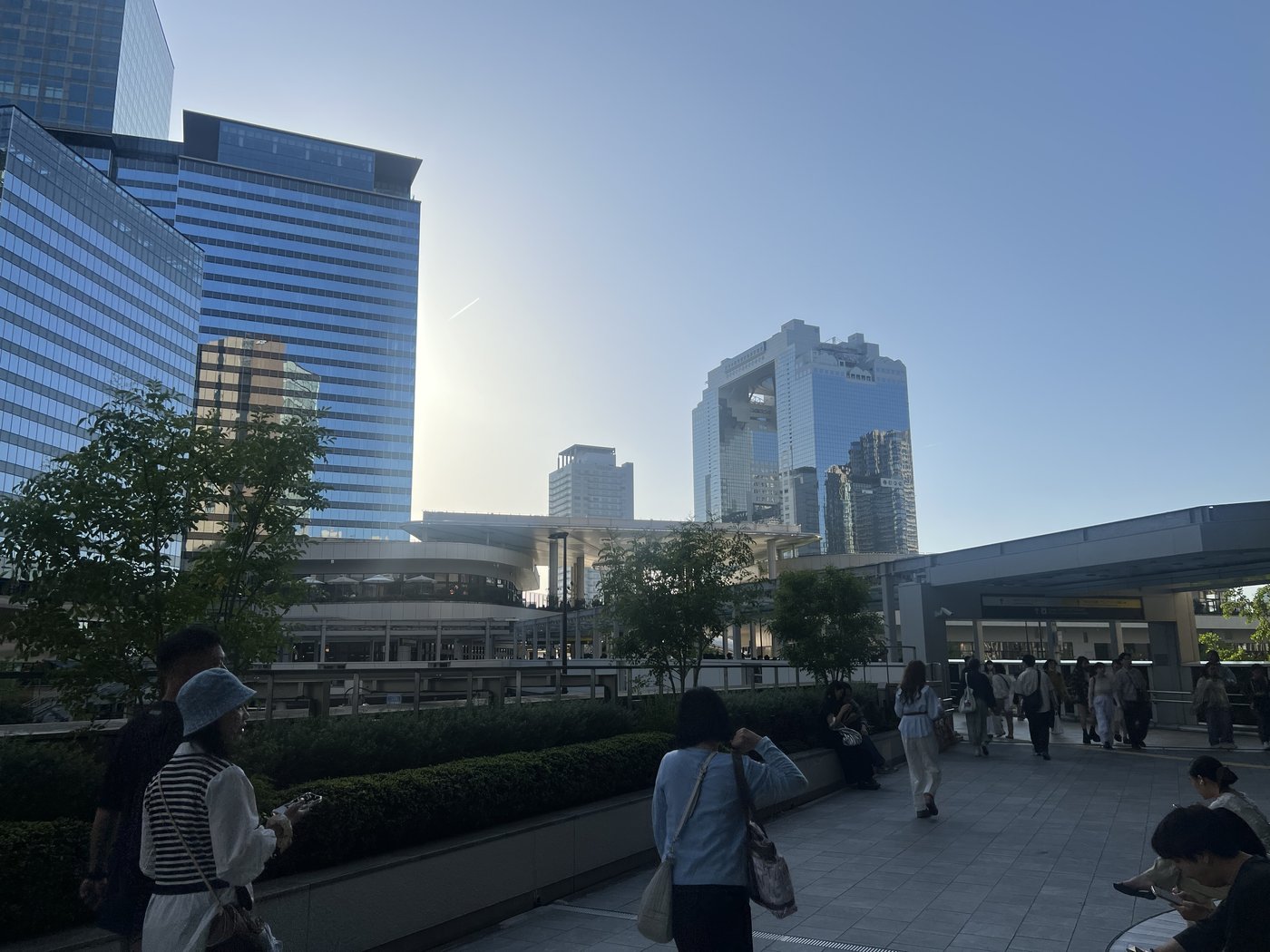
Japan's north-to-south span of nearly 3,000 kilometers means travelers can experience very different Japans in one trip. Okinawa and its Kerama, Miyako, and Yaeyama islands offer subtropical diving and WWII history — the Battle of Okinawa was the war's last major engagement, and Peace Memorial Park with the Cornerstone of Peace lists every name regardless of nationality. Okinawan food is distinct: goya champuru (bitter melon stir-fry), purple sweet potato, and awamori spirit reflect Southeast Asian influences that set it apart from mainland cuisine. Tohoku (Sendai, Matsushima, Hiraizumi) is the unsung north, with cedar forests, quiet temples, and Kakunodate's remarkably preserved samurai districts that receive almost no international visitors. The region's rice and sake are among Japan's finest, with Junmai Daiginjo from Akita and Yamagata rivaling the best of Niigata.
Kyushu adds Aso volcano — an active giant with one of the world's largest calderas, driveable by car across the crater floor — Kurokawa and Yufuin onsen towns with intimate outdoor baths, and Takachiho's dramatic gorges where Shinto legend places the descent of the heavenly grandchild. Shikoku, the smallest main island, hosts the 88-temple pilgrimage that circles the island over 1,200 kilometers, traditionally completed on foot over six to eight weeks. Castles like Matsumoto (with its black exterior) and Himeji (the finest surviving original, white-plastered and elegant) demonstrate feudal engineering at its peak. Even remote islands like Yakushima, with thousand-year-old cedars that inspired Princess Mononoke, are accessible by ferry or short flight from Kagoshima.
5. Getting Around & Etiquette
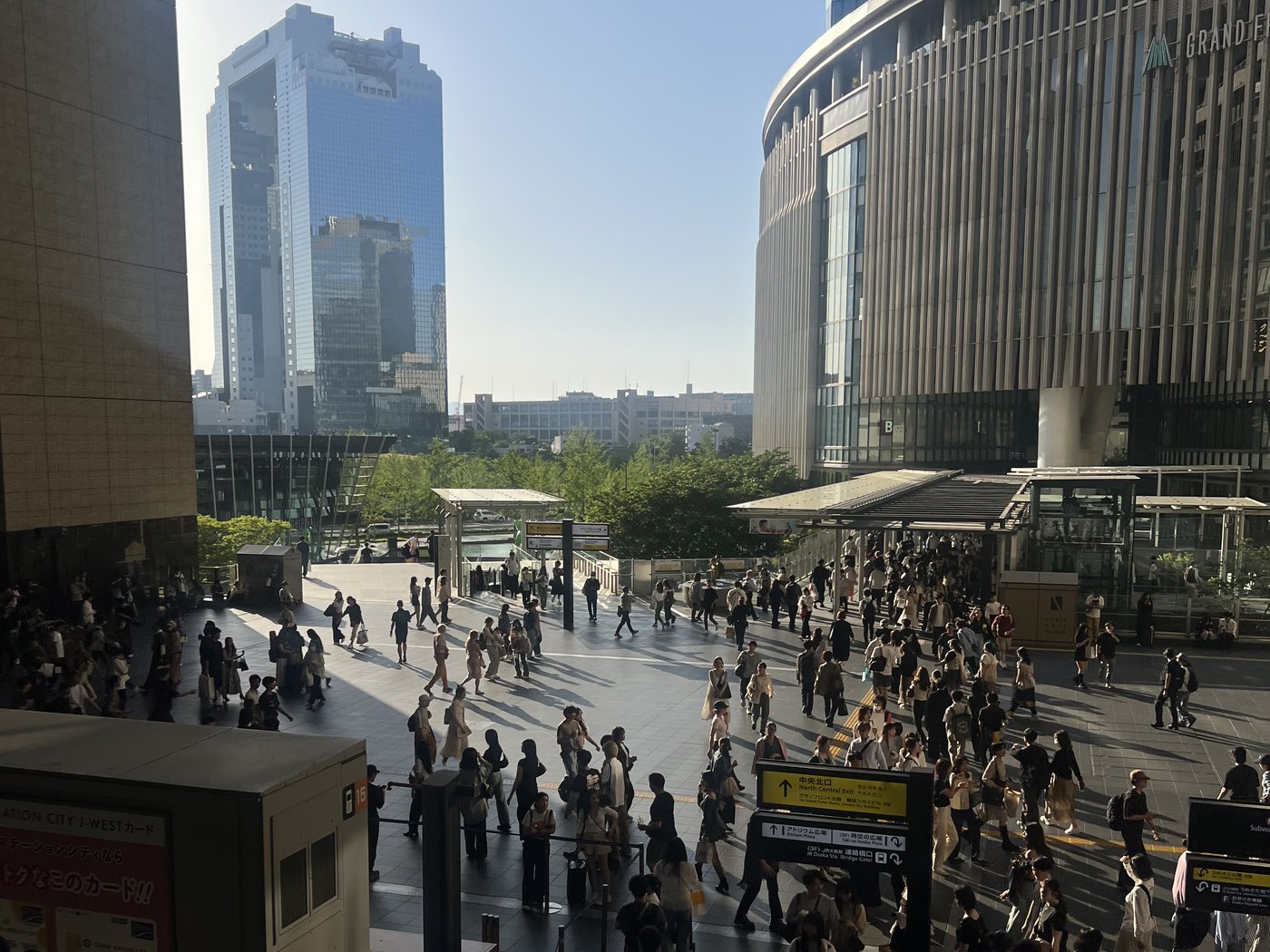
The shinkansen (bullet train) shuttles travelers through Mount Fuji on clear days, the Japanese Alps through tunnels and river valleys, and the rice paddies of Niigata stretching to the horizon — all with punctuality to the second. A Japan Rail Pass cuts intercity costs if used intensively for long-distance travel. Local trains and subways are efficient, but avoid morning rush hours on major lines if carrying luggage — the busiest lines still fill well beyond comfortable capacity. Credit cards are increasingly accepted at hotels, mid-range restaurants, and department stores, but cash remains essential for small temples, rural inns, street food stalls, and family-run shops. Many older vending machines accept only coins and ¥1,000 notes.
Learn basic etiquette: bow slightly when greeting or thanking someone; remove shoes when entering homes, ryokan rooms, and traditional restaurants; never pour your own drink at a group table — always pour for others and let them reciprocate. Onsen rules must be respected: no swimsuits, no soap in the shared baths, towel placed on head or beside the pool. Trash cans are rare on city streets, so carry a small bag for your garbage. Tipping does not exist and can cause confusion or even offense. Emergency: 110 (police) / 119 (ambulance and fire). Many stations have English-speaking staff, especially in major cities. Download a translation app before arrival.
6. Budget, Who It's For & Common Mistakes
Budget: ¥8,000–12,000 | Mid-range: ¥15,000–25,000 | Luxury: ¥40,000+
Approximate USD: $55–80 / $100–170 / $270+
Best for: Food enthusiasts, culture purists, solo travelers, photography lovers, onsen and hot spring fans, efficiency lovers, anime and pop culture fans, hikers, families with young children.
— J.K.
Prices, seasons, and entry requirements change — always confirm current details before booking. This guide is general travel information, not legal or financial advice.