Home › Destinations › South Korea
Travel South Korea · Updated July 2026
South Korea: The Complete Travel Guide (2026)
When to go, what to eat, the culture worth understanding, where to explore beyond the postcard spots, and how to get around South Korea — a complete first-trip guide, updated for 2026.
South Korea rewards a first-time visitor and a fifth-time visitor differently — this guide covers both. Below: when to go, what to eat, the culture worth understanding before you land, where to go beyond the obvious stops, and the practical stuff (money, transit, safety) that makes the trip smooth.
1. Seoul's Old Meets New
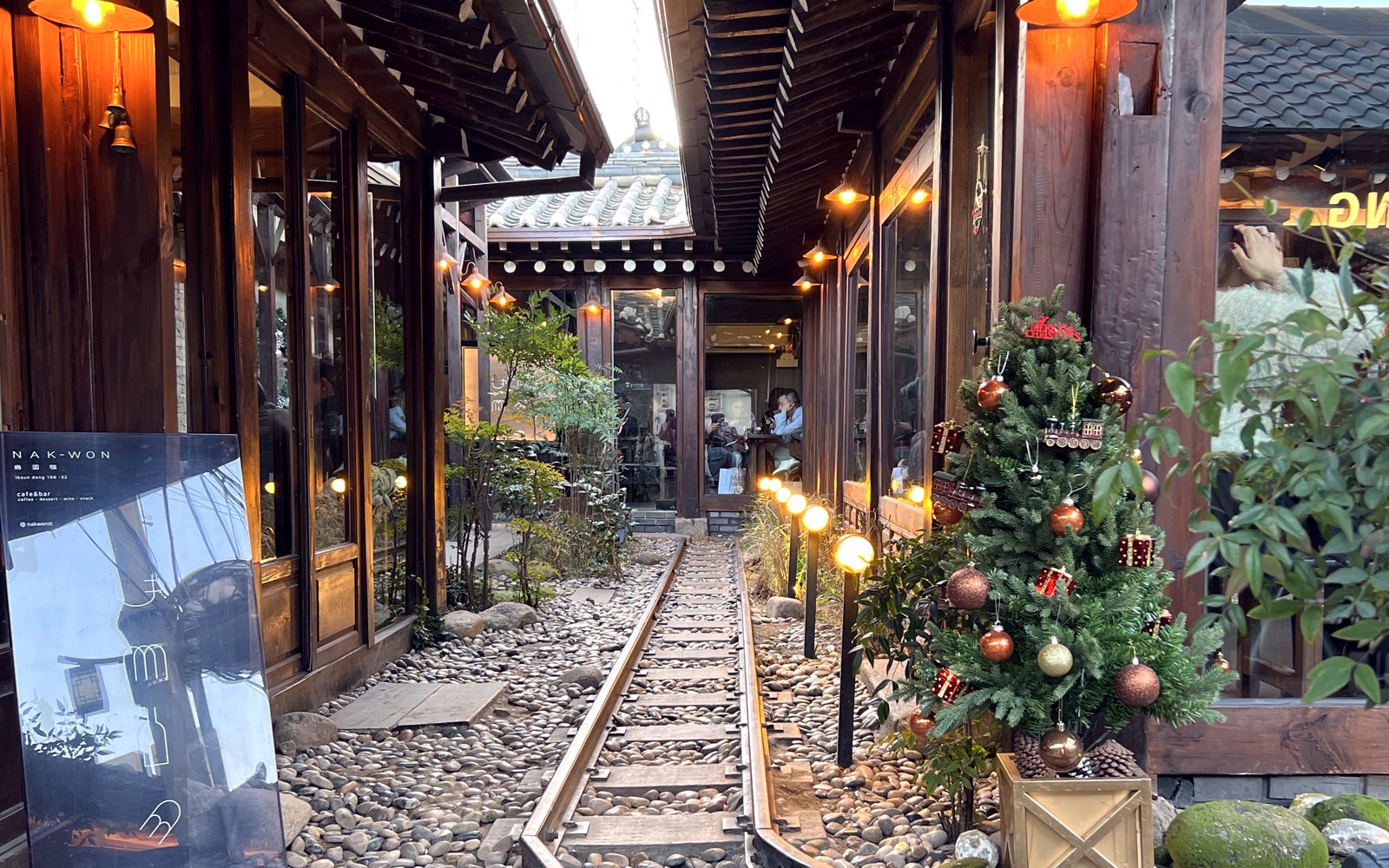
Seoul layers Joseon dynasty palaces beside glass towers in a city that has reinvented itself multiple times in the past 70 years. Hallyu fans often pair Seoul's palaces and neighborhoods with day trips to the most iconic Winter Sonata filming locations on Nami Island and in Chuncheon — research specific drama filming sites rather than assuming they are all in the capital. Sanmotoonge, a hanok-turned-café, shows old architecture adapting to modern life. The Seoul Olympic Museum, revamped in 2021, is now interactive with VR and full Olympic history. Walk from Gwanghwamun through Gyeongbokgung, Bukchon Hanok Village, and finish in Insadong.
2. Food & Banchan Culture
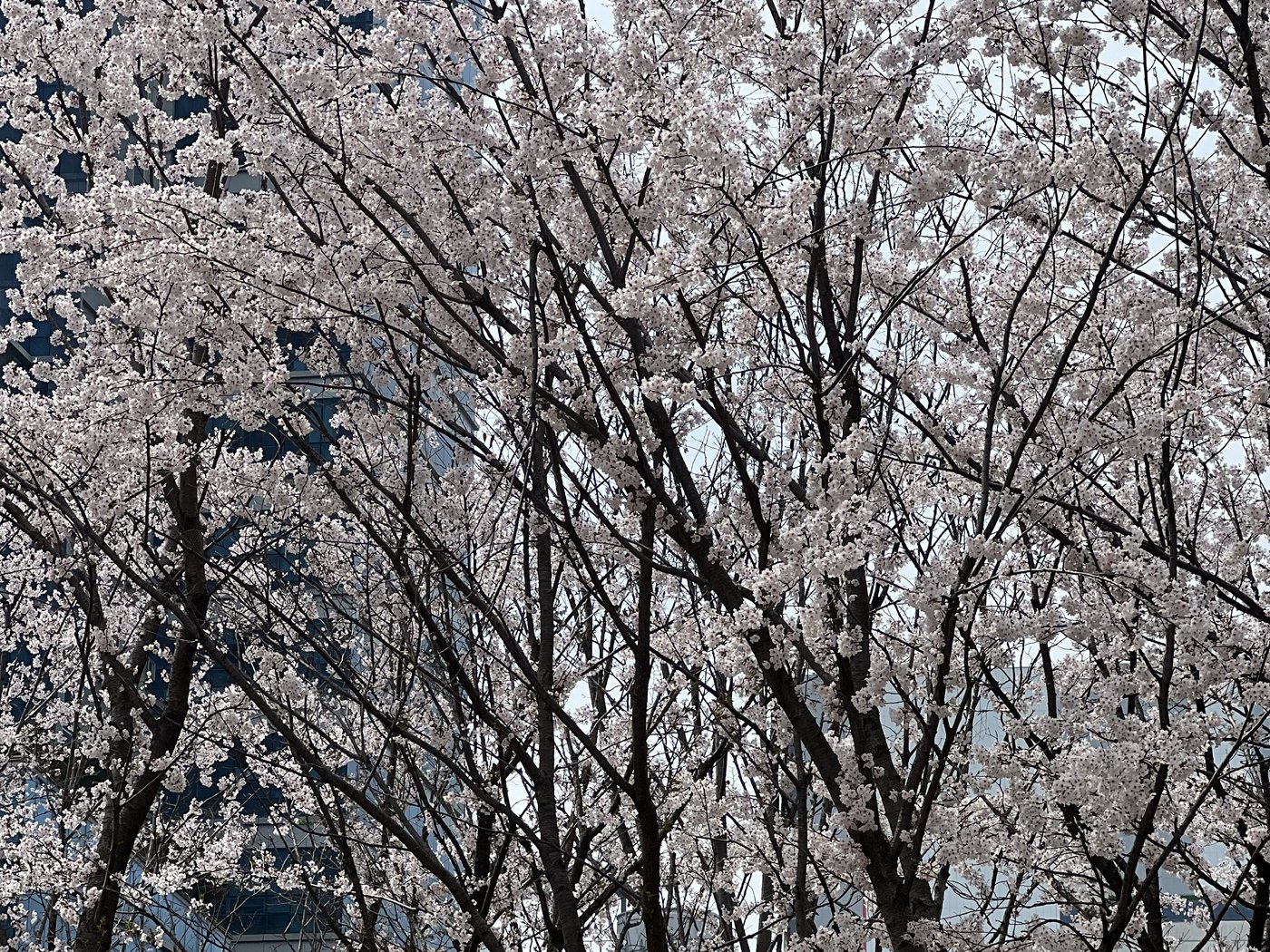
Korean food spans every budget, built around endless banchan (side dishes) that come free and are silently refilled throughout the meal. Markets bustle with fresh kimchi preparation in giant onggi jars. Gwangjang Market in Seoul, dating to 1905 (Korea's first permanent market), is legendary for bindaetteok and mayak gimbap. Makgeolli (rice wine) finds new life in hanok bars. The country's communal dining culture (nun-chi, situational tact) means hosts watch your needs before you express them.
3. K-Drama, K-Pop & Night Markets
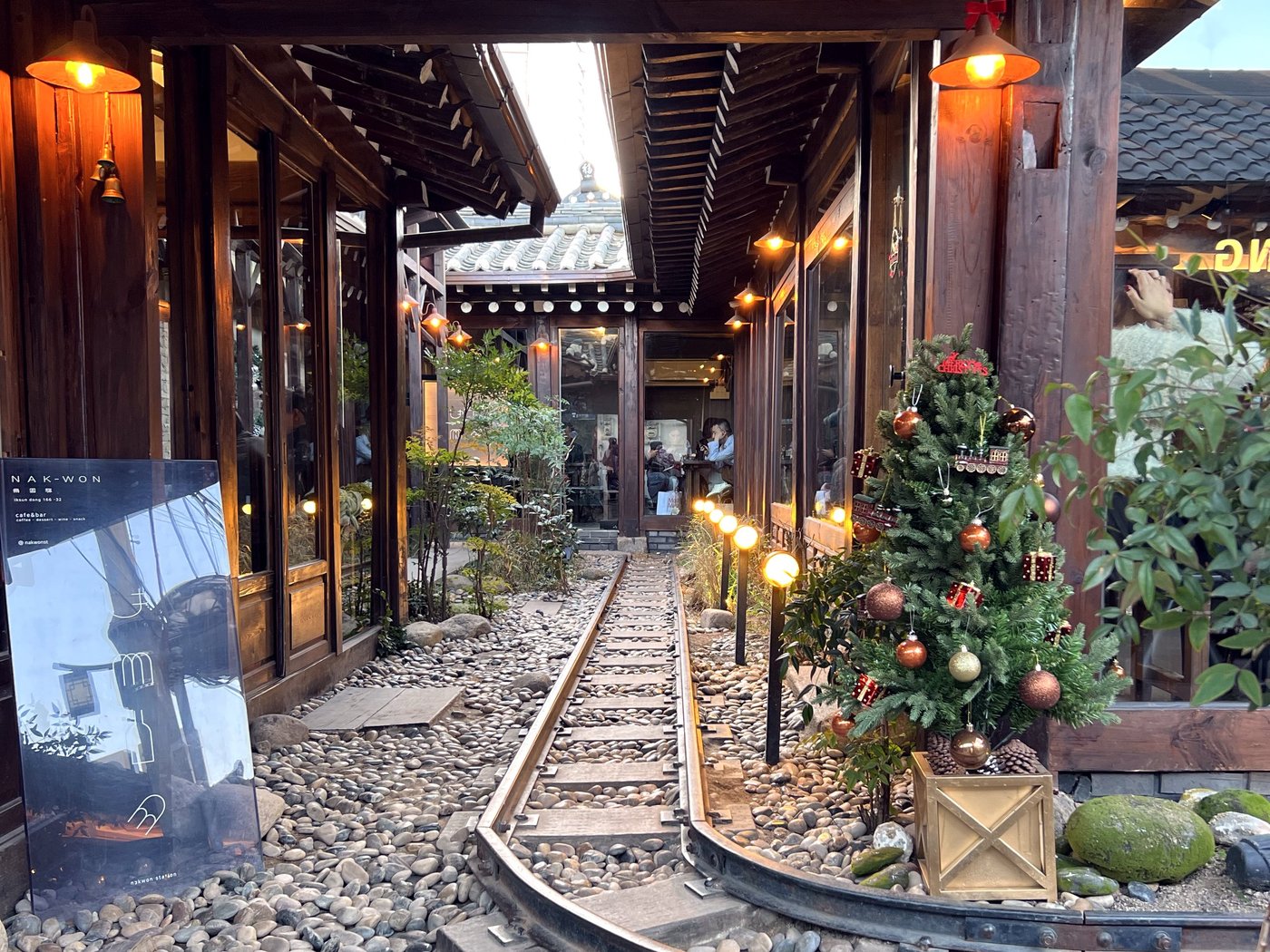
Seoul wears its pop culture proudly. Drama and K-pop filming locations draw fans worldwide. Summer night markets bring food trucks and live music. Apgujeong's fashion district shows the polished side; Hongdae and Ikseon-dong reveal makgeolli dens and tteok stalls. The Banpo Bridge Moonlight Rainbow Fountain — a Han River water-and-light show — pumps up to 190 tons of water per minute with jets reaching approximately 43 meters, making it one of Seoul's most popular evening experiences. Seoul's energy is genuinely nocturnal by design.
4. Palaces, Mountains & DMZ
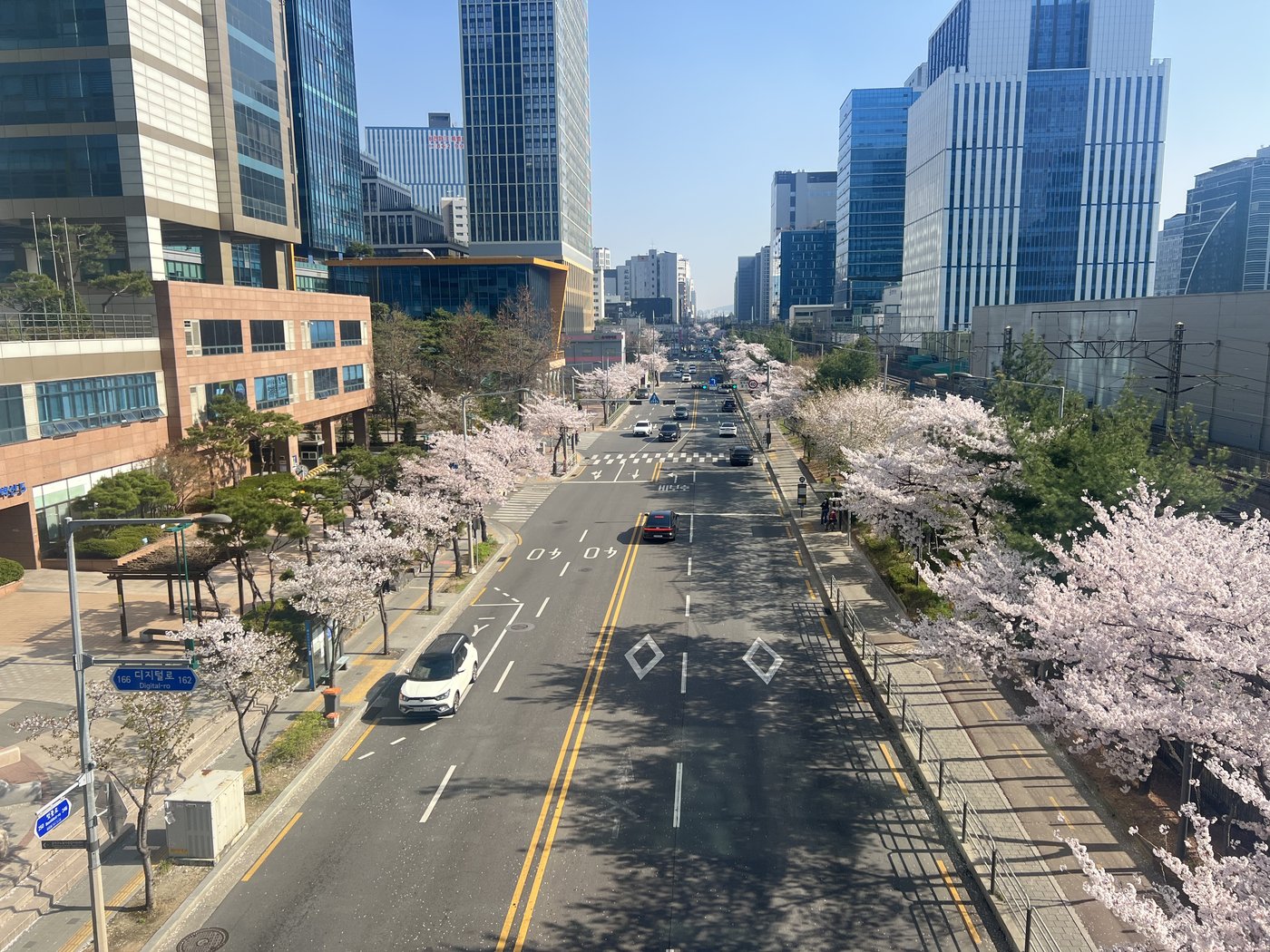
Gyeongbokgung anchors Korean history with Guard-Changing ceremonies. Changdeokgung and its Secret Garden are UNESCO-listed. Hikes up Bukhansan or Namsan offer skyline views; Seoul is among the few world capitals where mountain hiking is a subway ride away. The DMZ — Joint Security Area at Panmunjom, the Third Tunnel, Dora Observatory — frames the peninsula's division viscerally.
5. Getting Around & Money
Seoul's subway is clean, cheap, and English-signed on major lines; announcements come in Korean and English on all trains serving tourist areas. T-money or Cashbee cards work on transit, convenience stores, and vending machines. Credit cards are widely accepted; cash helps at markets. Kakao T makes taxi hailing easy for foreigners. Etiquette leans formal: bow, use two hands when giving, remove shoes at homes and jjimjilbangs. Never pour your own drink. Emergency: 112 / 119.
6. Budget, Who It's For & Common Mistakes
Budget: KRW 45,000–70,000 | Mid-range: KRW 100,000–180,000 | Luxury: KRW 300,000+
Approximate USD: $30–50 / $68–125 / $205+
Best for: Food lovers, K-pop and K-drama fans, night-market explorers, city-culture seekers, budget travelers, tech lovers, spa and wellness travelers.
— J.K.
Prices, seasons, and entry requirements change — always confirm current details before booking. This guide is general travel information, not legal or financial advice.